June 2, 2014
In
Perseid meteor shower

Starhunter Astronomical Collaboration Gateway (SACG)
Astronomy as a Catalyst for Sustainable Transformation





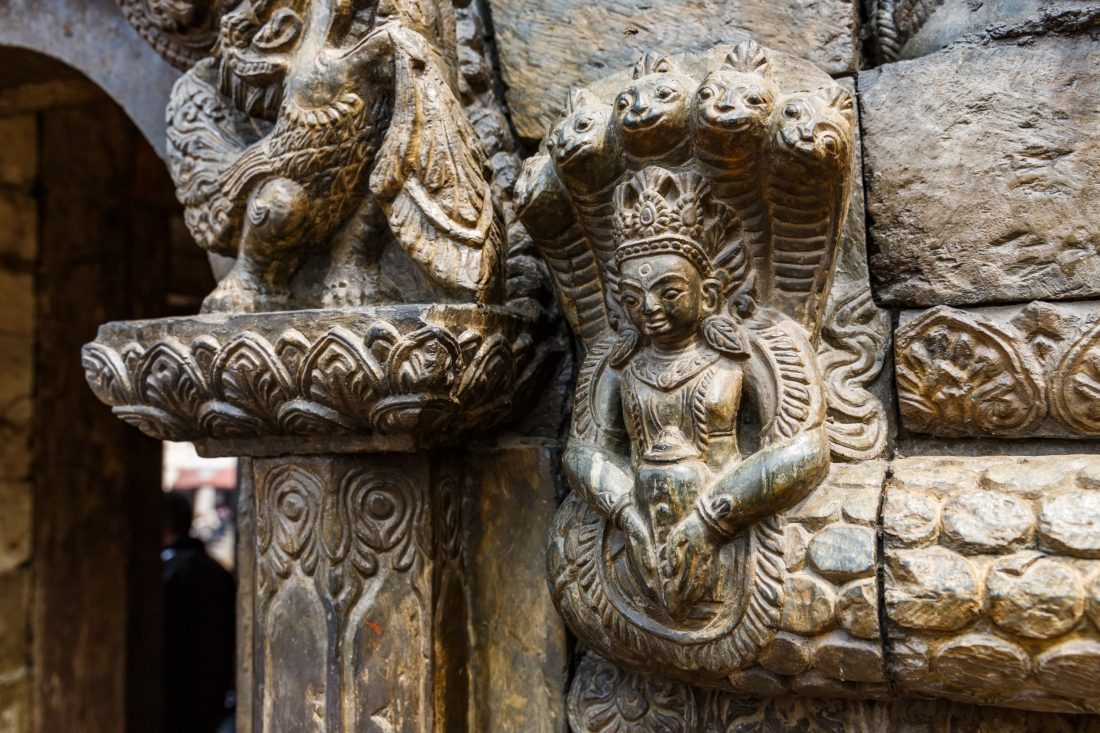
Nepal boasts a rich and distinctive Buddhist heritage that spans centuries. This can be attributed to the profound reverence of the Nepalese people towards Buddha, who was born in the country’s Lumbini region, located in the capital city of Kathmandu, within the precincts of an ancient and renowned Shiva temple. In addition to this significant site, Nepal is also home to numerous other temples, monasteries, and sacred sites that cater to diverse religious groups.
Nepal is home to various philosophical and religious traditions that are celebrated by its people, including both Hindu and Buddhist beliefs. These include the Kashmir Shaivism and Tibetan Buddhism traditions, as well as various tantric practices.
However, it’s worth noting that the practice of animal sacrifices, which is a part of some tantric traditions, is not widely practiced in Nepal. Despite the existence of these traditions, the country has largely moved away from such practices, and they are not considered to be functional in modern Nepalese society.
Religious groups believe that Nepal, situated in the Himalayas, is the abode of the Gods and holds a special association with Lord Shiva. Over time, Nepal has made slight changes to the general categories of Buddhist stupas found at archaeological sites. The traditional family life in Nepal is deeply rooted in the customs and religious beliefs of both Hindus and Buddhists.
Dance traditions are an integral part of Nepalese culture, particularly during special occasions. These dance forms have their origins in Lord Shiva’s abode on the Indian subcontinent. The Tandava dance, for instance, was first performed by Lord Shiva himself in the Himalayan Kingdom of Nepal.










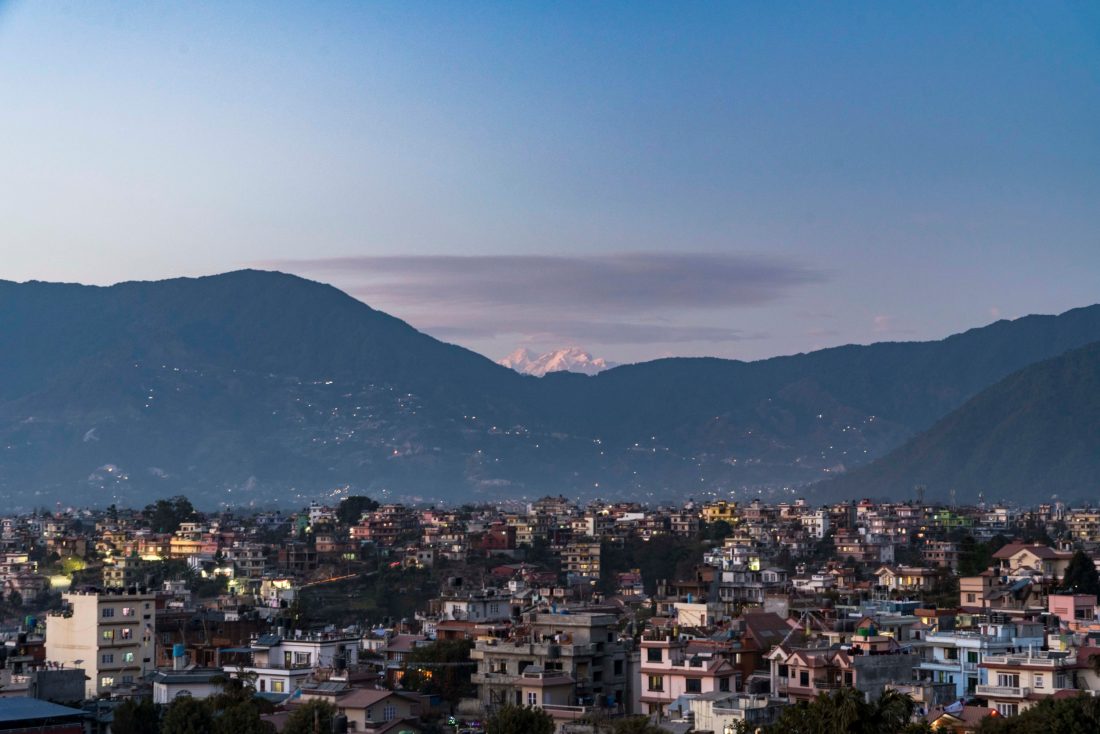
Kathmandu, the capital of Nepal, is alternatively spelled as Katmandu or Kantipur. It is situated in a hilly region near the confluence of the Baghmati and Vishnumati rivers, at an altitude of 4,344 feet (1,324 metres) above sea level.
Raja Gunakamadeva founded the city in 723, and it was initially named Manju-Patan. Later, it was renamed Kathmandu, which refers to a wooden temple (kath meaning “wood” and mandir meaning “temple” or “edifice”) constructed in 1596 from the wood of a single tree by Raja Lachmina Singh. A building believed to be the original structure still stands in the central square and serves as accommodation for sadhus (holy men).
Kathmandu owes its status as Nepal’s primary business and commercial center to the hard work of its Newar merchant families. In the 1970s, the city became the focal point of the national transportation system after the development of new roads and expansion of air service. This transformation was a major shift from the previous centuries when footpaths were the only means of transportation. Today, Kathmandu serves as the transportation hub for the country, connecting people and goods across Nepal.
The two primary streets in Kathmandu present a stark contrast to the older parts of the city characterized by narrow streets and brick houses featuring intricately carved doors and windows. Following the destruction caused by an earthquake in 1934, numerous modern-style buildings were constructed in the city. While these new structures serve practical purposes, they stand in sharp contrast to the charming and historic architecture that can be found in the older parts of Kathmandu.
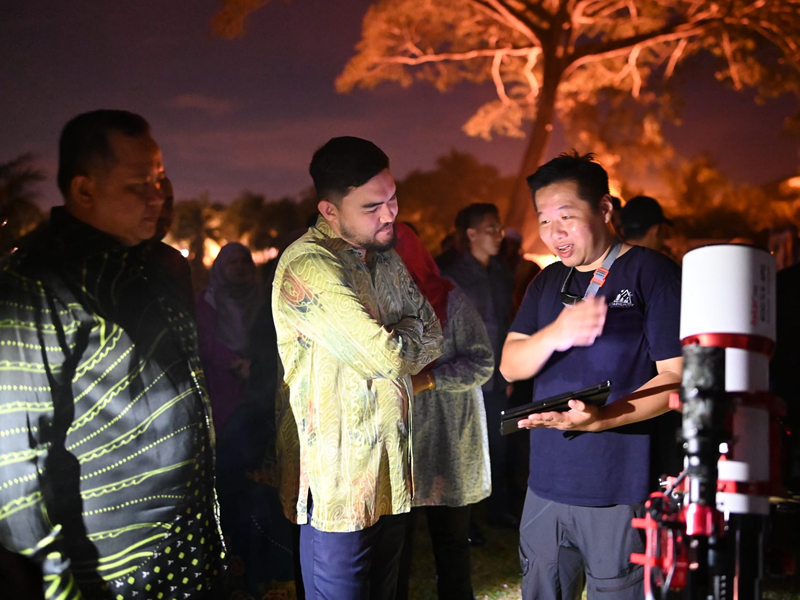
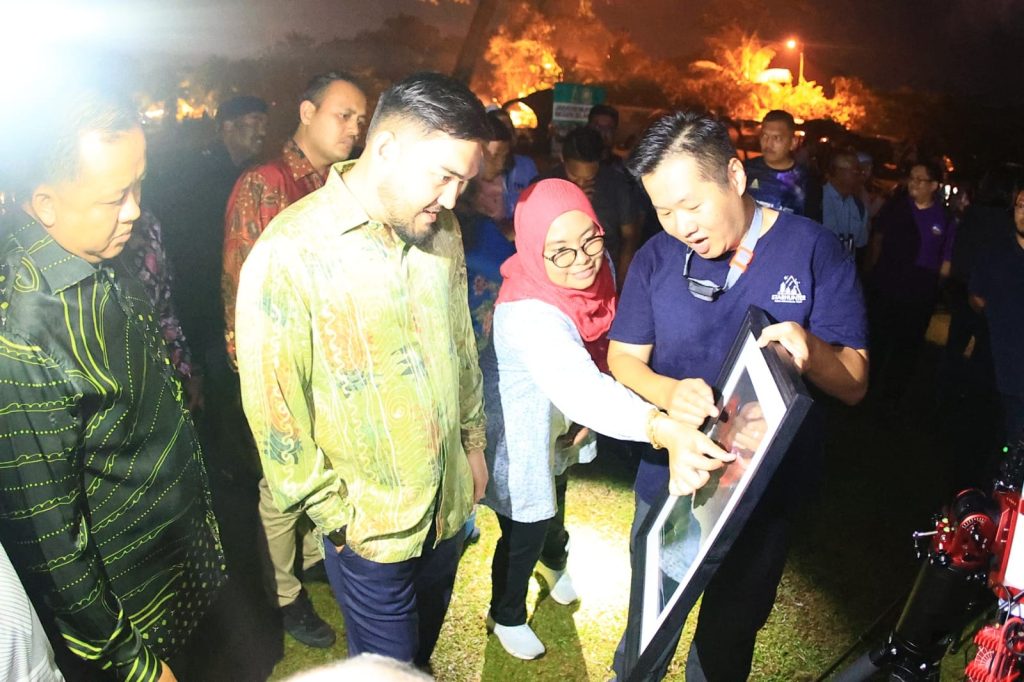
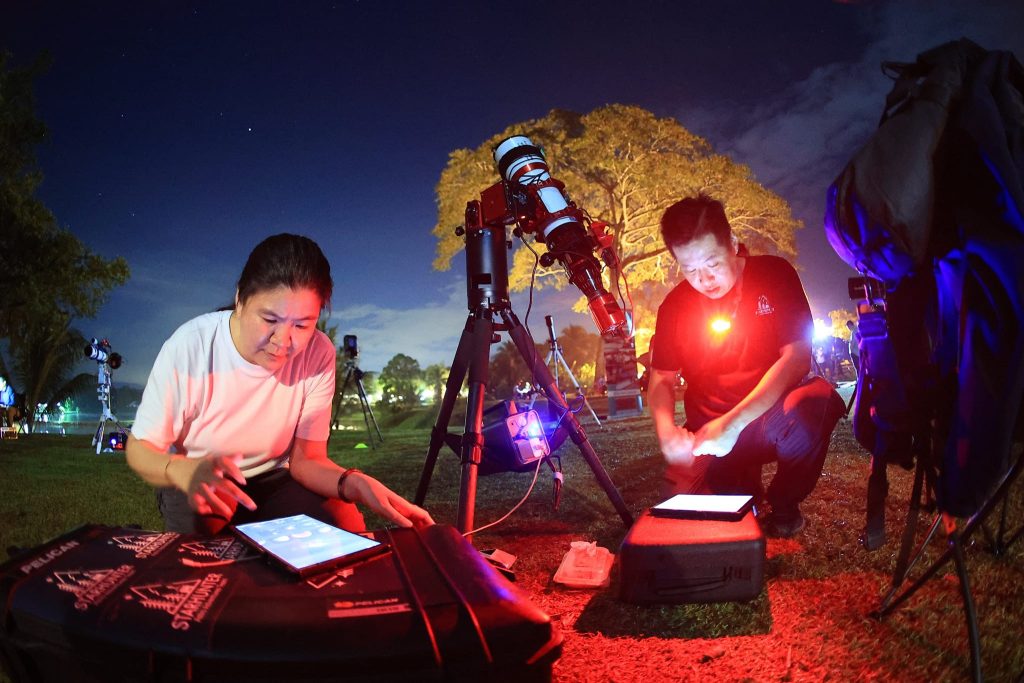
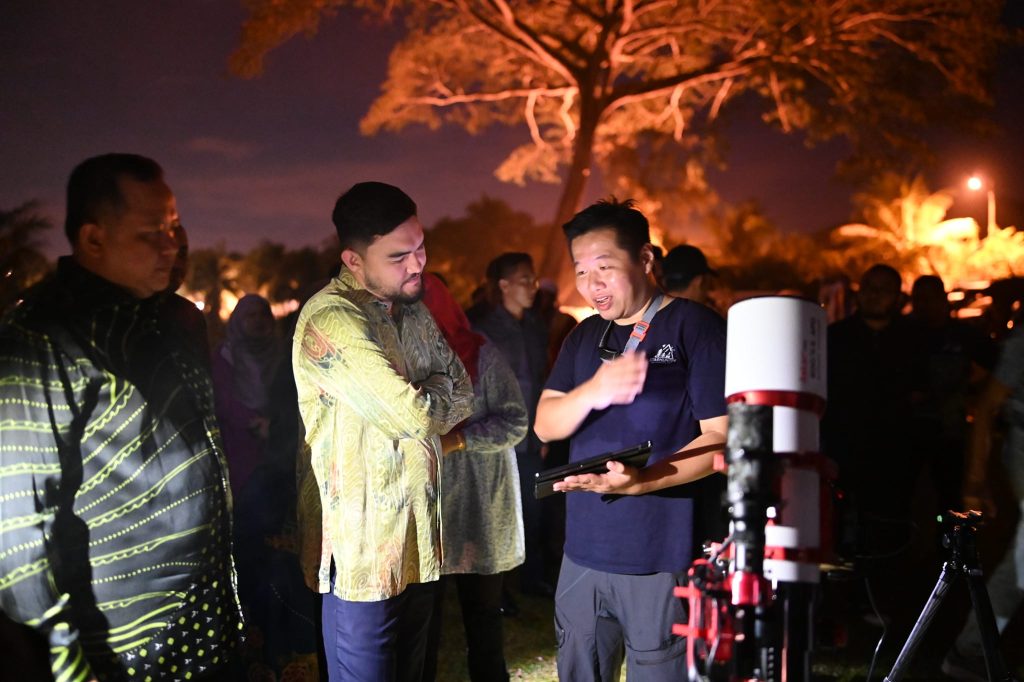
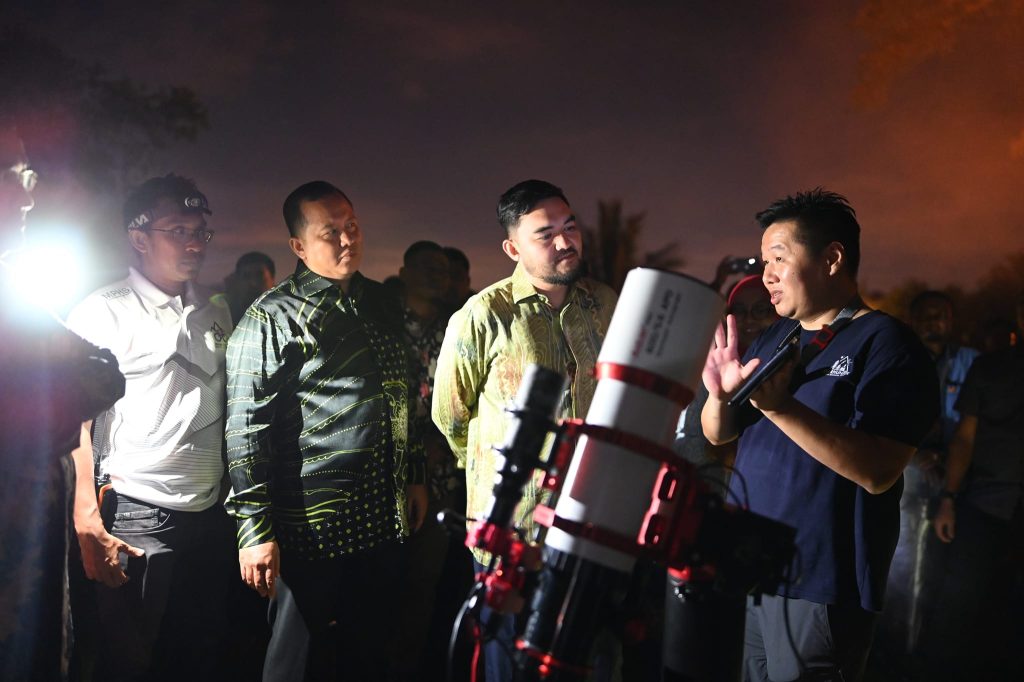
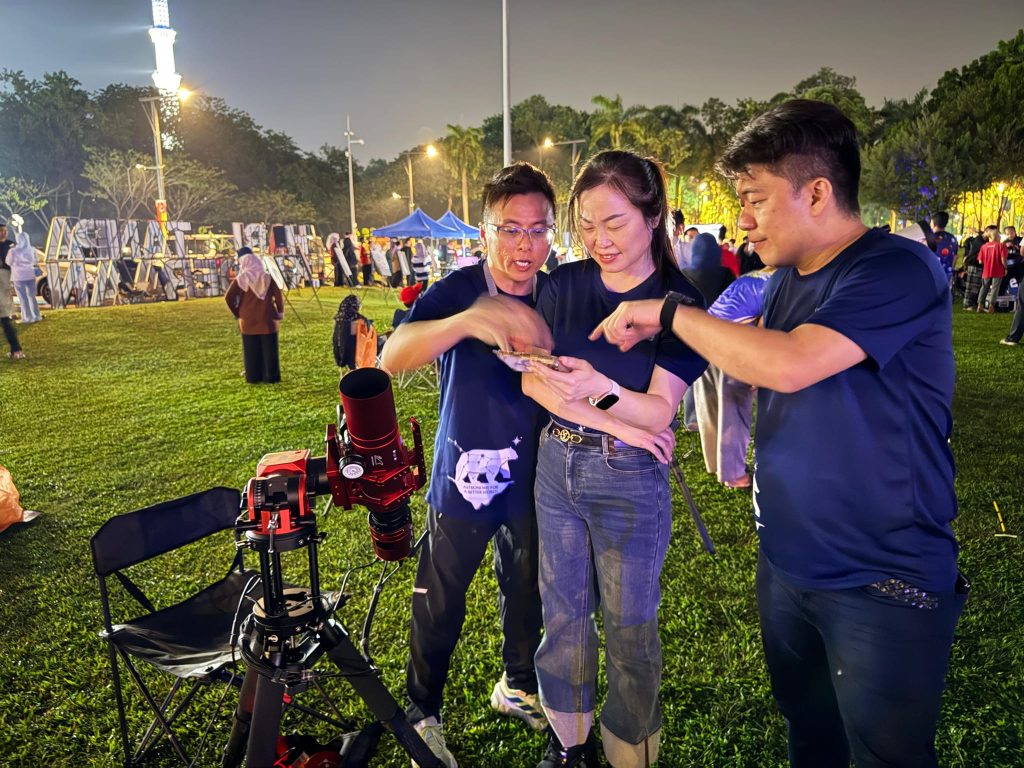
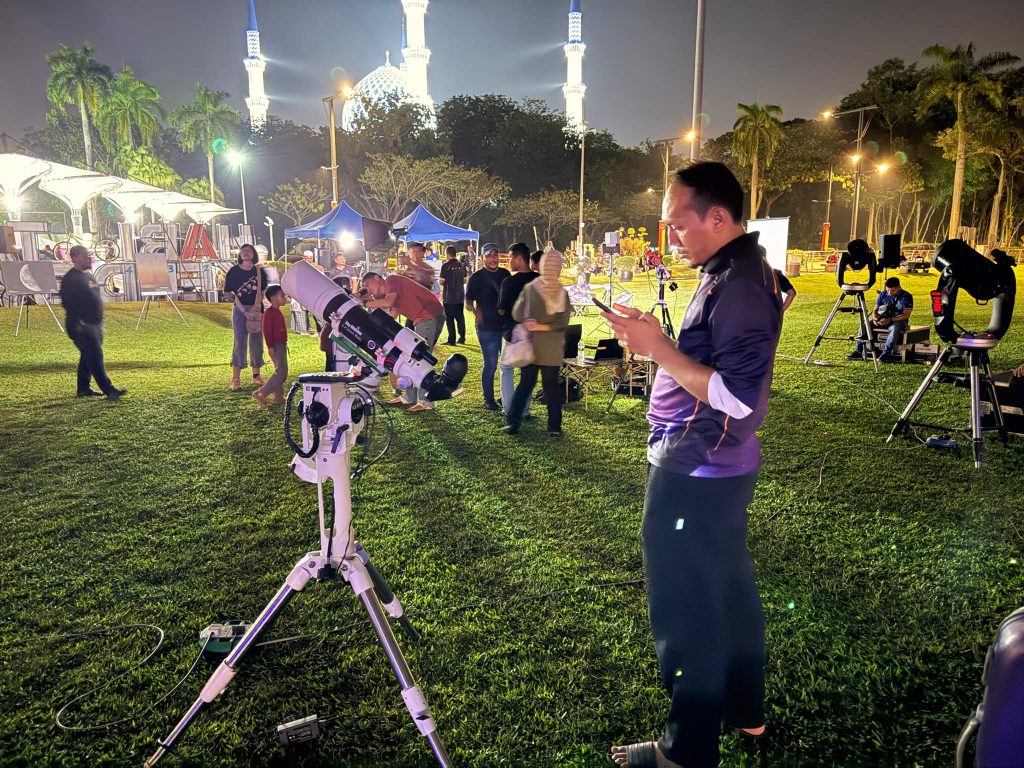
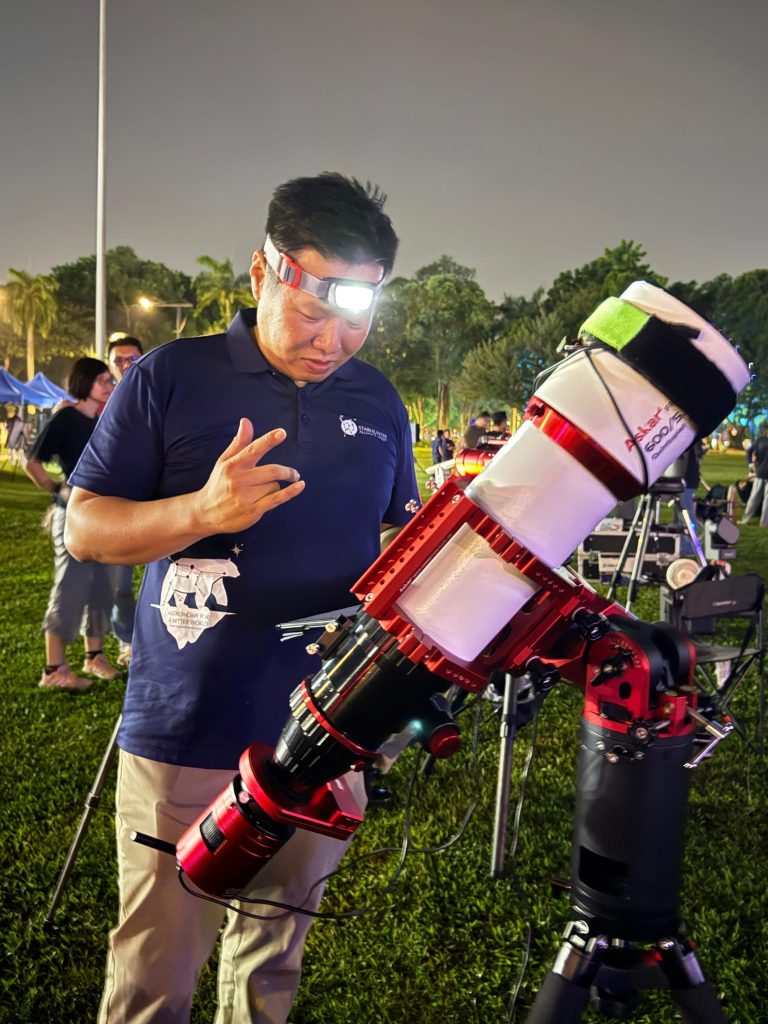
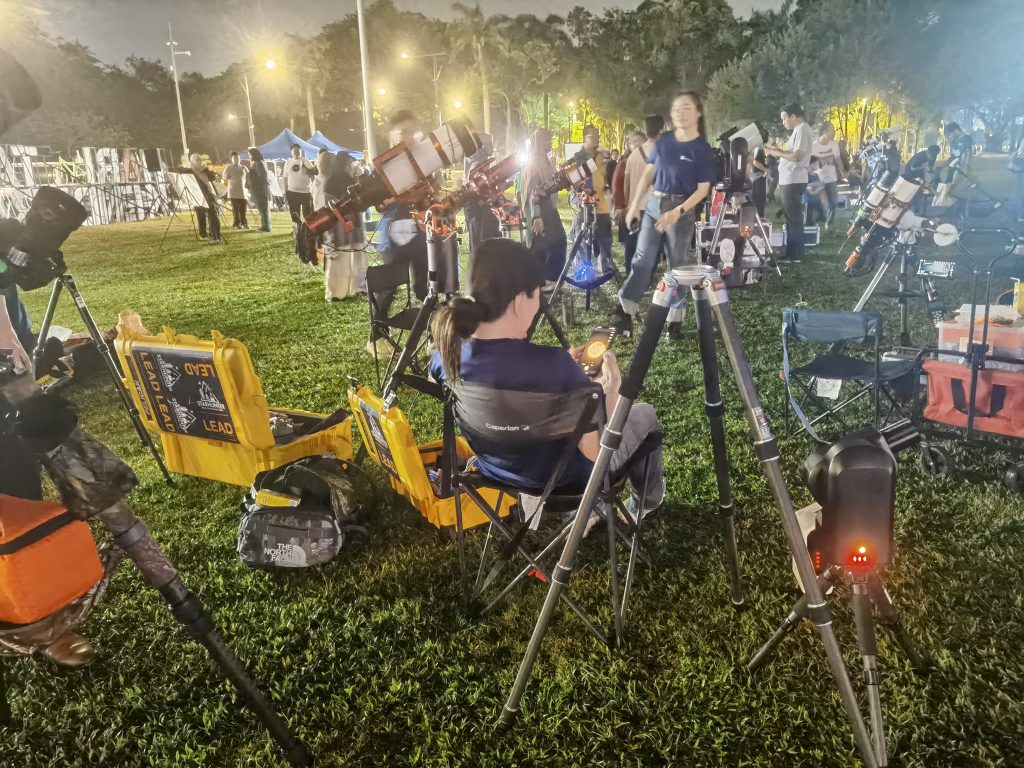
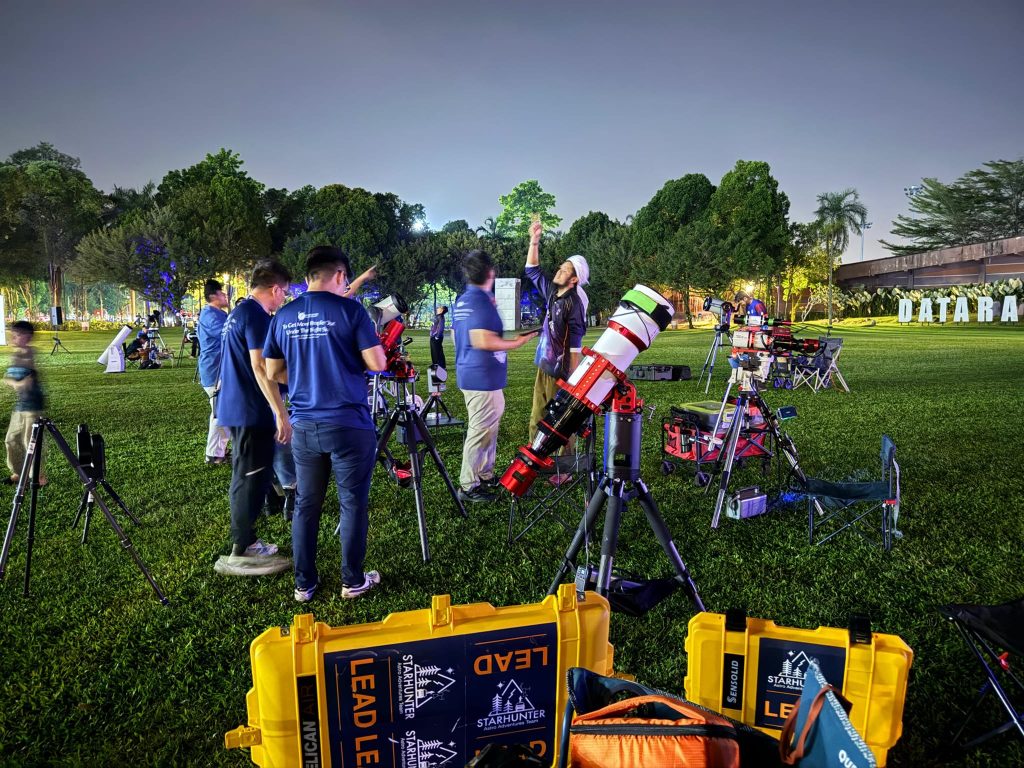
Astrofest, or KKB Starfest in Kuala Kubu Bharu, is a stargazing and camping event held at the Selangor River Dam, offering a unique astronomy experience in Selangor. It features night sky observation sessions, community “healing” gatherings, and is typically held around October at this popular astro-tourism location.